About Us
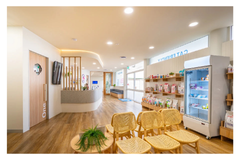
Sugarland Animal Hospital is an ASAV Accredited Hospital of Excellence in Bundaberg, Queensland, providing a broad range of veterinary care to animals from across Bundaberg and the surrounding region. The hospital has been caring for local animals for more than a decade and combines everyday general practice with advanced diagnostics, surgery, emergency and critical care.
One of the things that makes Sugarland distinctive as a workplace is the variety of cases its team can be involved with. Alongside routine small animal medicine and surgery, the hospital sees exotics, wildlife, rescue and shelter cases, emergencies and critical patients, orthopaedic surgery and specialised treatments including chemotherapy and acupuncture. The hospital also provides 24/7 emergency and after-hours veterinary care, adding another level of clinical variety for team members who enjoy developing their skills across different areas.
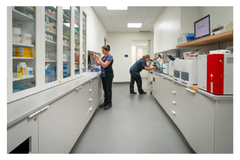
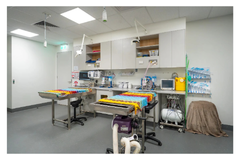
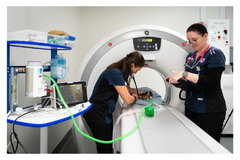
The hospital has invested significantly in its clinical capabilities. Equipment and facilities include CT, ultrasound, endoscopy, digital radiography, dental radiography, in-house pathology, dedicated surgical facilities and advanced anaesthetic and patient monitoring. Sugarland’s surgical facilities include modern anaesthetic equipment, respiratory and cardiac monitoring and dedicated anaesthetic monitoring nurses, while its in-house diagnostic capabilities allow the team to investigate and manage a wide range of cases locally.
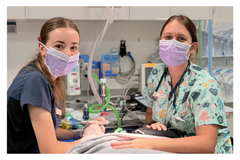
Veterinary nurses are an integral part of patient care at Sugarland. Rather than spending most of their time covering reception duties, nurses are encouraged to use their clinical skills across anaesthetic monitoring, hospital patient care, diagnostics, surgical and medical procedures and other hands-on areas of nursing. Dedicated client-care and support roles help allow the clinical team to focus on the work they are trained to do.
The team itself extends across veterinarians, qualified and trainee veterinary nurses, client-care staff, groomers, leadership and administrative roles. This multidisciplinary structure gives nurses the opportunity to work alongside colleagues with different skills while contributing directly to patient outcomes. The practice also works with external veterinary specialists for more complex and specialised cases.
Learning and development are encouraged within the hospital. The range of routine, emergency and more advanced cases provides opportunities for team members to broaden their clinical experience, while nurses who develop particular areas of interest have scope to continue building those skills. For someone who enjoys learning through hands-on nursing, the combination of a varied caseload, advanced diagnostics and hospital-level patient care provides plenty of opportunities to keep progressing professionally.
Sugarland is continuing to develop its capabilities in emergency, triage and referral work, bringing more advanced veterinary services to the Bundaberg region. For nurses, this can mean exposure to trauma cases, advanced diagnostic investigations, CT patients, emergency presentations and procedures that may be less commonly encountered in regional general practice.